If anyone was also wandering how efficient it would be to have these on the roof of an electric car, if somehow you got a 400W panel on there (regular panels are about 2m²) and left it in the sun for 8 hours, you’d get like half a KWh, which is good for 3km or so on an average EV.
So, not groundbreaking for that application to say the least, but you could technically not have to charge it (on a commute so small that you really should be walking). Of course I’d be blasting the AC before I got to the car and lose some of those gains.
400w is the nominal power. You’re not getting anywhere close to peak efficiency for 8 hours. A regular stationary panel, placed optimally with the right inclination, will at best generate 2 KWh per day, and I’m really pushing it, it’s more like 1-1.5 for your home installation.
It also isn’t anywhere close to reality. That is a good point in that the best chance the car solar panel idea has is if manufacturers lie about what they’re capable of.
I didn’t put a solar panel on the roof of my car and tried to charge a battery, if that’s what you’re asking, I did the math and also have home solar panels. For field testing you could ask someone who does camping, that is where bringing panels with the vehicle would be specially useful anyway.
PS: Now that I think about it, a lot of the bigger SUVs from China have features specially made for campers and whatnot, like the Xiaomi SkyNomad N90 that comes with an actual tent on the roof that you access from inside the car (pic below because look at it) and some off-roaders that have things like built-in oxygen tanks for high altitudes and freaking propellers for fording rivers. Maybe it could have success in those niches.
If you’ve measured the output of a stationary home solar panel, I guess one that is flat rather than angled to be more like a car roof, then that counts as a measurement. Or maybe the one in your pic has a solar panel angled towards the sun, which is interesting. I’m more interested in measurements than math right now though.
I think smaller EV’s get around 4 miles per KWH. So if you can get 2 KWH/day from solar, that’s good enough for a daily grocery run around here.


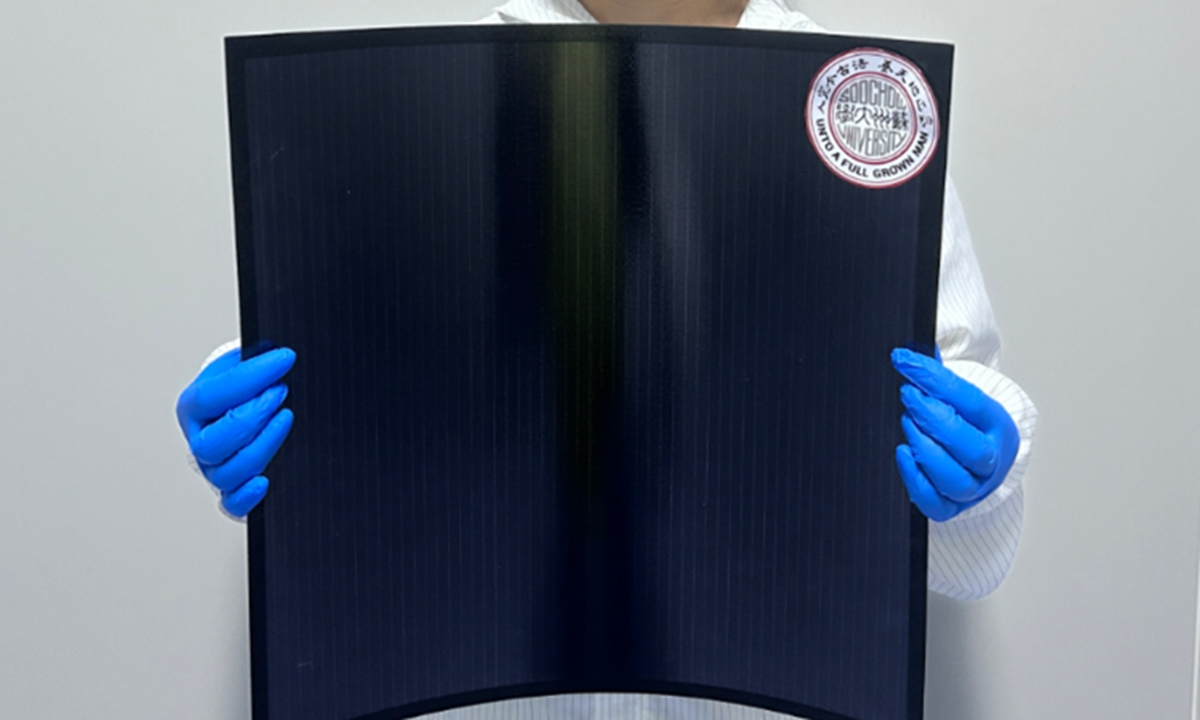
If anyone was also wandering how efficient it would be to have these on the roof of an electric car, if somehow you got a 400W panel on there (regular panels are about 2m²) and left it in the sun for 8 hours, you’d get like half a KWh, which is good for 3km or so on an average EV.
So, not groundbreaking for that application to say the least, but you could technically not have to charge it (on a commute so small that you really should be walking). Of course I’d be blasting the AC before I got to the car and lose some of those gains.
400w x 8 hours is 3.2kwh.
400w is the nominal power. You’re not getting anywhere close to peak efficiency for 8 hours. A regular stationary panel, placed optimally with the right inclination, will at best generate 2 KWh per day, and I’m really pushing it, it’s more like 1-1.5 for your home installation.
2kwh sounds like more than “half a kwh”.
It also isn’t anywhere close to reality. That is a good point in that the best chance the car solar panel idea has is if manufacturers lie about what they’re capable of.
Have you done a measurement, or are you guessing?
I didn’t put a solar panel on the roof of my car and tried to charge a battery, if that’s what you’re asking, I did the math and also have home solar panels. For field testing you could ask someone who does camping, that is where bringing panels with the vehicle would be specially useful anyway.
PS: Now that I think about it, a lot of the bigger SUVs from China have features specially made for campers and whatnot, like the Xiaomi SkyNomad N90 that comes with an actual tent on the roof that you access from inside the car (pic below because look at it) and some off-roaders that have things like built-in oxygen tanks for high altitudes and freaking propellers for fording rivers. Maybe it could have success in those niches.
If you’ve measured the output of a stationary home solar panel, I guess one that is flat rather than angled to be more like a car roof, then that counts as a measurement. Or maybe the one in your pic has a solar panel angled towards the sun, which is interesting. I’m more interested in measurements than math right now though.
I think smaller EV’s get around 4 miles per KWH. So if you can get 2 KWH/day from solar, that’s good enough for a daily grocery run around here.