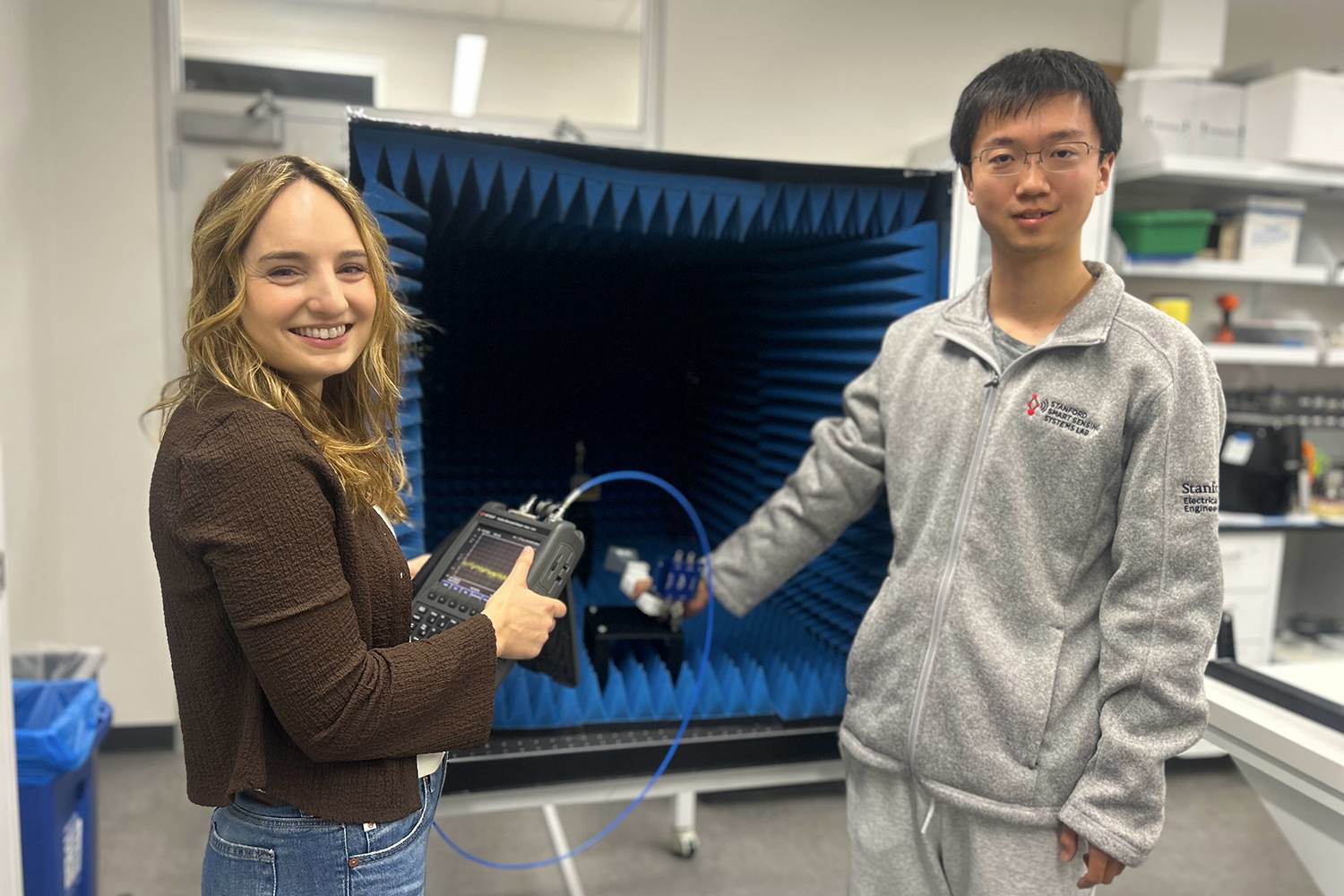
The researchers are now testing how to link multiple transmitters into a network and how to ensure the signal doesn’t get lost in noisier environments outside the insulated box.
All that is left is the part that makes it useful.
The first LED was a little glow of light from a spec of rock. They turned that into dim red and green indicator lamps a couple decades later. Decades later yet, someone figured out how to make a blue LED c. 1999 and, subsequently, how to then add a Uv-reactive yellow coating to give two opposite colors in significant luminance, creating the white LED seen absolutely everywhere now. The people who got lime green LEDs to work as power-on indicators didn’t know how or when we were going to use LEDs as headlights
Yes, proof of concept is the first step to all technology. Most technologies stall after the proof of concept when they have to address how to actually use it in the real world.
Headlights were not an end goal for LEDs, they were just an additional use case for what they were already good at: emitting light. That is just using existing technology for an additional purpose. This one still needs to meet the basic use case.


All that is left is the part that makes it useful.
Yes, that’s how science starts.
The first LED was a little glow of light from a spec of rock. They turned that into dim red and green indicator lamps a couple decades later. Decades later yet, someone figured out how to make a blue LED c. 1999 and, subsequently, how to then add a Uv-reactive yellow coating to give two opposite colors in significant luminance, creating the white LED seen absolutely everywhere now. The people who got lime green LEDs to work as power-on indicators didn’t know how or when we were going to use LEDs as headlights
Yes, proof of concept is the first step to all technology. Most technologies stall after the proof of concept when they have to address how to actually use it in the real world.
Headlights were not an end goal for LEDs, they were just an additional use case for what they were already good at: emitting light. That is just using existing technology for an additional purpose. This one still needs to meet the basic use case.
I want those dim indicators back. They didn’t overshade Sun and I could look directly at them.