I wonder how effective googly eyes would be as they bounce around as the animal move

Facing hundreds of human-wildlife conflict cases in southeastern Zimbabwe, livestock owners are turning to a low-tech solution: painting fake eyes on their animals’ rear ends.
The eye-spots trick predators into abandoning hunts, drastically reducing attacks on farm animals.
Caveat is that hyenas don’t seem to care:
In 2020, wildlife ecologist Cameron Radford set out to test whether eyespots on livestock would discourage ambush predators like lions. In a study involving about 2,000 cattle in Botswana that had recently reported high levels of predation, not a single one of the 683 cows he and his colleagues daubed with artificial eyes was killed by lions or leopards. In contrast, 15 out of 835 unmarked cows in the study area were recorded as killed by one of those two ambush predator species (as were four animals whose rumps were marked with simple crosses).
Spotted hyenas (Crocuta crocuta) muddied the data, killing one cow from each of the three categories during this period, suggesting their hunting success is unaffected by decoy eyes.
Many forecasts predict drought conditions for Southern Africa this year, in the shadow of a powerful El Niño event. Bandama said that in his experience, drought pushes herders into game reserves in search of greener pasture, while predators may raid farms and homesteads more frequently.
From “Artificial eyespots on cattle reduce predation by large carnivores” DOI
Once again, Bluey gets it right.

It was actually Bingos idea I believe
Yes 🙂
My use of Bluey is in reference to the show’s title.
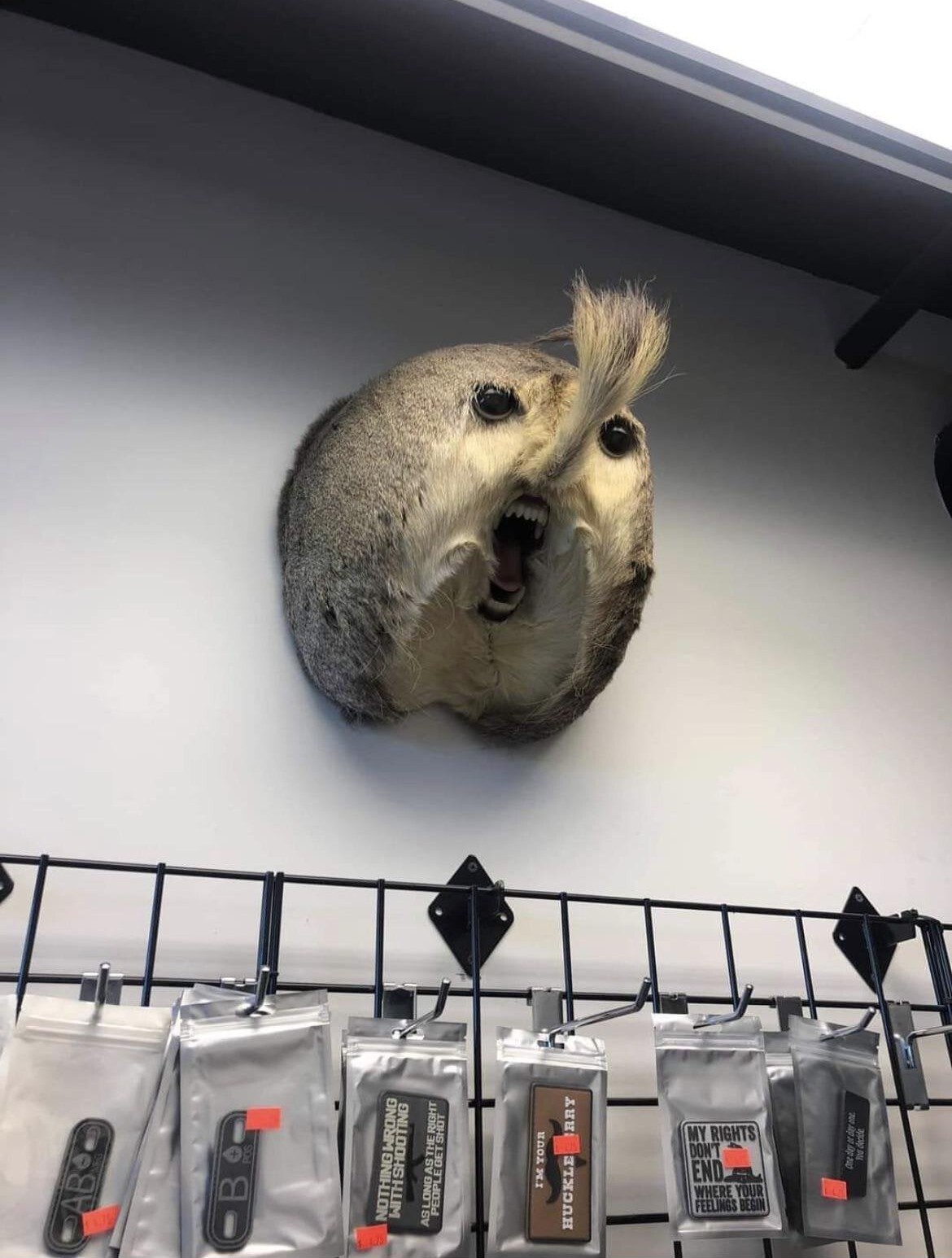
Absolutely cursed
Hey, the idea was to defend domestic herds, not give heart-strokes to every carnivore around. Humans including.
I’ve heard of similar techniques using masks on the back of your head to discourage tiger attacks in villages close to wild tiger populations.
As I recall, it gets less effective over time because tigers are not stupid, just risk-averse. They learn with repeated exposure.
I’m going from memory. I’ll try to dig up sources when I have time.
Edit: Found it on Wikipedia: https://en.wikipedia.org/wiki/Tiger_attacks_in_the_Sundarbans#Precautions
Fishermen and bushmen originally created masks made to look like faces to wear on the back of their heads because tigers always attack from behind. This worked for a short time, but the tigers quickly caught on to the ruse, and the attacks reportedly continued. One local honey gatherer, Surendra Jana, 57, summarised the general feeling of the tigers adapting to their efforts: “Before we could understand the way they attacked…We don’t feel safe any more, knowing our brothers have been attacked in spite of the tricks we use.”
I wonder how long it took for tigers to caught on to the ruse and if the lions and leopards have too, as the study is from 2020
Science has shown googly eyes make everything better.